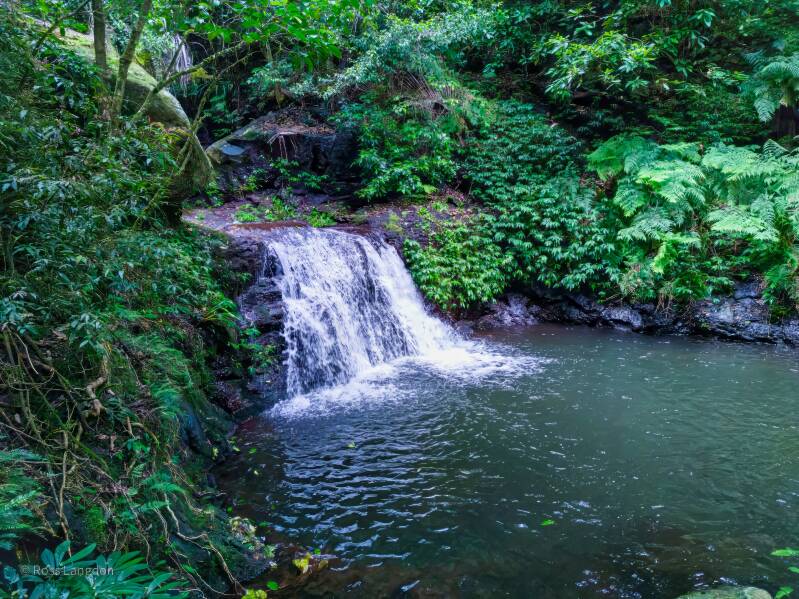
Lamington National Park Destination Guide| Rainforest, Waterfalls & Aerial Photography Queensland
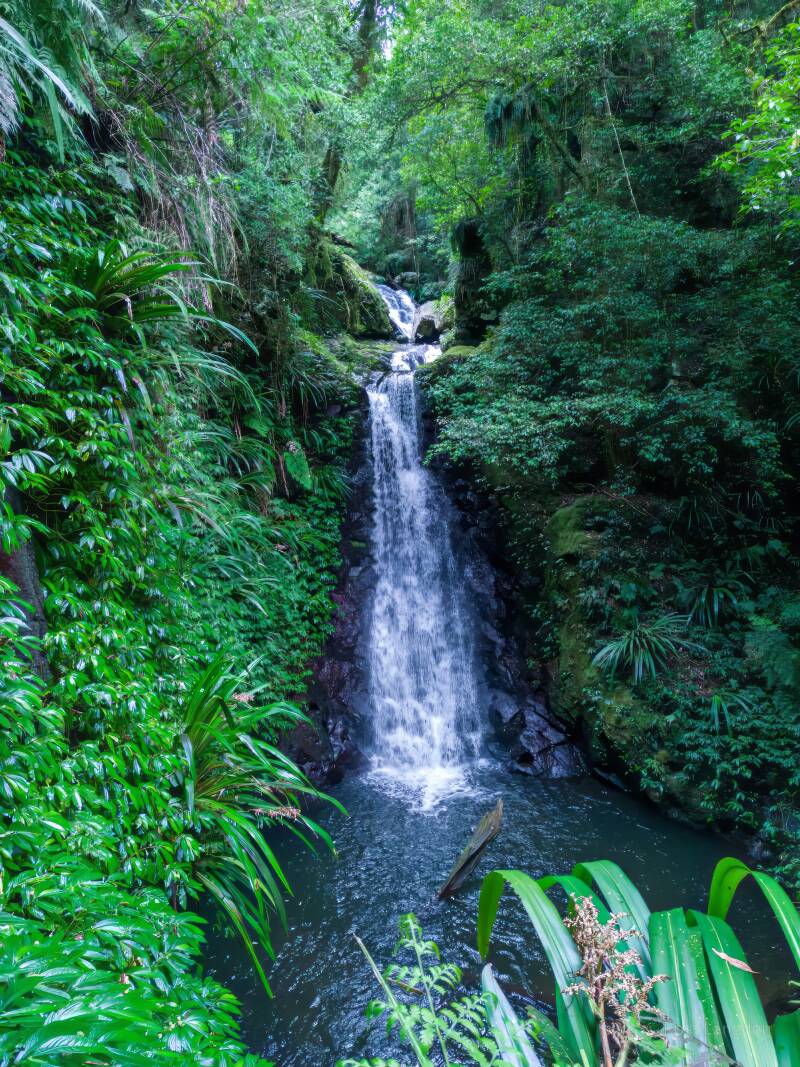
Discover Ancient Gondwana Rainforest, Waterfalls & Gold Coast Hinterland Landscapes from Above
Discover Lamington National Park
Hidden within the Gold Coast Hinterland, Lamington National Park is one of Queensland's most spectacular natural landscapes.
Rising along the McPherson Range, this ancient rainforest wilderness offers dramatic mountain scenery, deep valleys, waterfalls, towering trees and some of Australia's most remarkable subtropical rainforest environments.
From above, Lamington reveals a landscape of extraordinary scale. Dense rainforest covers rugged mountains, narrow valleys cut through the ranges and waterfalls flow through ancient volcanic terrain.
At Oz Straya Panoramas, our aerial photography captures Lamington National Park during exceptional conditions including morning mist, dramatic cloud formations, waterfall seasons, golden sunlight and changing rainforest colours.
This guide explores the highlights of Lamington National Park, including:
-
O'Reilly's Rainforest Retreat
-
Green Mountains
-
Binna Burra
-
Morans Falls
-
Elabana Falls
-
Toolona Creek
-
Border Track
-
scenic lookouts
-
Gold Coast Hinterland landscapes
Why Visit Lamington National Park?
Lamington National Park offers one of the most immersive rainforest experiences in Australia.
Unlike the nearby Gold Coast coastline, the park provides a peaceful mountain environment where visitors can explore ancient forests, dramatic escarpments and hidden waterfalls.
The park forms part of the Gondwana Rainforests of Australia World Heritage Area, recognised for its outstanding ecological importance and ancient rainforest ecosystems.
Visitors come to experience:
-
Ancient rainforest
-
Scenic lookouts
-
Waterfalls
-
Walking tracks
-
Native wildlife
-
Birdwatching
-
Mountain scenery
-
Photography opportunities
A Landscape Shaped by Ancient Volcanoes
The dramatic scenery of Lamington National Park was shaped by millions of years of geological change.
The surrounding landscape was influenced by the ancient Tweed Volcano, creating:
-
steep mountain ranges
-
deep valleys
-
volcanic cliffs
-
rainforest-covered slopes
From an aerial perspective, the scale of this landscape becomes clear. The rainforest plateau contrasts with the surrounding valleys, farmland and distant coastal areas.
Green Mountains
The Heart of Lamington National Park
The Green Mountains section is one of the most visited areas of Lamington National Park.
Located near O'Reilly's, this region features dense rainforest, spectacular walking tracks and dramatic valley views.
From above, Green Mountains reveals:
-
endless rainforest canopy
-
mountain ridges
-
waterfall systems
-
winding valleys
-
mist-covered landscapes
The area is particularly impressive during early morning when cloud and fog settle among the ridges.
O'Reilly's Rainforest Retreat
Gateway to the Rainforest
O'Reilly's has been a destination for visitors exploring Lamington for generations.
Located within the Green Mountains section, it provides access to some of the park's most famous walks and viewpoints.
The surrounding landscape features:
-
rainforest valleys
-
mountain views
-
birdlife
-
walking trails
-
canopy environments
The famous Tree Top Walk offers a unique perspective through the rainforest canopy and complements the aerial perspective captured by photography.
Binna Burra
Mountain Landscapes and Scenic Views
The Binna Burra section of Lamington National Park offers a different perspective of the landscape.
Located on the eastern side of the park, it features:
-
dramatic escarpments
-
mountain ridges
-
rainforest valleys
-
panoramic viewpoints
Aerial photography from this area highlights the transition between rainforest wilderness and the wider Gold Coast Hinterland.
Morans Falls
One of Lamington's Most Iconic Views
Morans Falls is one of the most photographed locations within Lamington National Park.
The waterfall drops dramatically from the surrounding plateau into the valley below, creating a spectacular combination of:
-
cliffs
-
rainforest
-
waterfalls
-
distant mountain views
From above, Morans Falls reveals the true scale of the landscape and the relationship between the waterfall, valley and surrounding rainforest.
The lookout is recognised as one of the park's outstanding photographic locations.
Elabana Falls
Rainforest Waterfall Photography
Elabana Falls is one of the most beautiful rainforest waterfalls in Lamington.
Surrounded by moss-covered rocks, vines and ancient rainforest, the falls provide a classic Gondwana rainforest experience.
Photography opportunities include:
-
cascading water
-
rainforest textures
-
misty conditions
-
creek systems
The waterfall is accessed through rainforest walking tracks including sections of the Box Forest Circuit.
Toolona Creek Circuit
Rainforest, Creeks and Hidden Waterfalls
The Toolona Creek area showcases the incredible biodiversity of Lamington.
The walk follows rainforest creeks through a landscape of:
-
giant trees
-
moss-covered rocks
-
waterfalls
-
lush vegetation
From above, these rainforest corridors appear as intricate green networks flowing through the mountains.
Border Track
A Journey Across the Mountain Range
The Border Track is one of Lamington's most significant walking routes.
It crosses the plateau between the Green Mountains and Binna Burra sections, offering views across valleys, ridges and surrounding landscapes.
The track showcases:
-
subtropical rainforest
-
cool temperate rainforest
-
mountain streams
-
scenic lookouts
On clear days, views extend across the Tweed Valley, surrounding ranges and towards Wollumbin (Mount Warning).
Best Photography Conditions at Coomera Falls & Gorge
After Rainfall
Rain creates some of the most spectacular conditions:
- stronger waterfall flow
- vibrant rainforest colours
- mist rising through valleys
- flowing creeks
Winter Mornings
Winter often provides ideal photography conditions:
- cooler temperatures
- clearer visibility
- atmospheric fog
- soft morning light
Cloudy Conditions
Overcast weather can be excellent for rainforest photography because it reduces harsh contrast and enhances the rich greens of the forest.
Coomera Falls & Aerial Photography
Coomera Falls and Coomera Gorge demonstrate why aerial photography provides a unique perspective of Lamington National Park.
From above, viewers can appreciate:
- the enormous scale of the rainforest
- the relationship between waterfalls and river systems
- the depth of the mountain valleys
- the untouched character of the landscape
These aerial perspectives complement other Lamington highlights including:
- Morans Falls
- Elabana Falls
- Toolona Creek
- O'Reilly's
- Binna Burra lookouts
Together, these locations showcase the incredible diversity of Queensland's Gold Coast Hinterland.
Coomera Falls Frequently Asked Questions
Where are Coomera Falls located?
Coomera Falls is located within the Binna Burra section of Lamington National Park in Queensland's Gold Coast Hinterland.
How do you reach Coomera Falls?
The falls are accessed via walking tracks from the Binna Burra area, including sections of the Coomera Circuit.
Is Coomera Falls suitable for aerial photography?
Yes. The combination of waterfalls, rainforest valleys and dramatic terrain makes it one of the most visually impressive areas in Lamington National Park.
When is the best time to photograph Coomera Falls?
The best conditions are often after rainfall, during winter mornings, or when mist and cloud create atmospheric rainforest scenes.
What other locations are near Coomera Falls?
Nearby Lamington highlights include Binna Burra, Morans Falls, Elabana Falls, Toolona Creek and the Border Track.
Best Photography Locations
Morans Falls Lookout
Best for:
-
waterfall landscapes
-
mountain views
-
sunrise photography
O'Reilly's Area
Best for:
-
rainforest canopy
-
mist photography
-
wildlife
Binna Burra Lookouts
Best for:
-
escarpment views
-
valley panoramas
-
sunset conditions
Toolona Creek
Best for:
-
rainforest photography
-
waterfalls
-
natural textures
Lamington Plateau
Best for:
-
aerial landscapes
-
cloud inversions
-
mountain scenery
Sunrise Photography
Early morning is one of the most rewarding times to photograph Lamington.
Conditions often include:
-
valley fog
-
soft golden light
-
low cloud
-
peaceful rainforest atmosphere
Aerial photography during sunrise reveals layers of mountain ranges emerging through mist.
Rainforest Mist & Cloud Photography
Lamington is famous for its atmospheric weather.
Mist and cloud create unique photographic conditions by:
-
adding depth to landscapes
-
highlighting rainforest ridges
-
creating dramatic moods
-
revealing changing mountain shapes
Winter mornings are particularly suited to this style of photography.
Waterfall Photography
Rainfall transforms Lamington's waterfalls and creeks.
The best conditions often occur after periods of rain when:
-
waterfalls increase in volume
-
rainforest colours become vibrant
-
streams become more visible
Popular waterfall locations include:
-
Morans Falls
-
Elabana Falls
-
Toolona Creek waterfalls
-
Chalahn Falls
Wildlife & Natural Environment
Lamington supports an extraordinary range of wildlife.
Visitors may encounter:
-
Albert's lyrebirds
-
pademelons
-
wallabies
-
possums
-
colourful parrots
-
rainforest birds
The park's isolation and protection have allowed many species to survive within this ancient environment.
Best Time to Visit Lamington National Park
Summer
Features:
-
lush rainforest
-
flowing waterfalls
-
dramatic storms
Autumn
Offers:
-
comfortable walking conditions
-
clear views
-
changing rainforest colours
Winter
Ideal for:
-
misty mornings
-
photography
-
hiking
Spring
Provides:
-
flowering plants
-
active wildlife
-
vibrant rainforest growth
Lamington National Park Aerial Photography – 40 FAQs
1. Where is Lamington National Park located?
Lamington National Park is located in South East Queensland within the Gold Coast hinterland and Scenic Rim region.
The park is approximately 90 minutes from Brisbane and around one hour from the Gold Coast, making it one of Queensland’s most accessible World Heritage rainforest destinations.
2. Why is Lamington National Park famous?
Lamington National Park is famous for its ancient rainforest, dramatic mountain landscapes, waterfalls, wildlife and connection to the Gondwana Rainforests of Australia World Heritage Area.
It is considered one of Queensland’s most important conservation areas.
3. What makes Lamington National Park unique?
Lamington is unique because it combines:
- ancient rainforest
- volcanic mountain landscapes
- dramatic escarpments
- waterfalls
- rare wildlife
- World Heritage ecosystems
Few locations in Queensland offer such a combination of biodiversity and scenery.
4. Is Lamington National Park part of the Gondwana Rainforests?
Yes. Lamington National Park forms part of the Gondwana Rainforests of Australia World Heritage Area.
The region protects ancient rainforest ecosystems with connections stretching back millions of years.
5. What are the best photography locations in Lamington National Park?
Popular photography locations include:
- Green Mountains (O’Reilly’s)
- Binna Burra
- Moran’s Falls
- Elabana Falls
- Coomera Gorge
- Coomera Falls
- Toolona Creek
- Kamarun Lookout
- Border Track
6. Is Lamington National Park suitable for aerial photography?
Yes. Lamington provides exceptional aerial photography opportunities because of its large-scale landscapes.
Aerial photography reveals:
- rainforest-covered mountains
- escarpments
- valleys
- waterfalls
- surrounding landscapes
7. Can drones be used in Lamington National Park?
Drone use in national parks is regulated and may require approval depending on the activity and purpose.
Commercial operators should check current Queensland Parks and Wildlife Service requirements before flying.
8. What waterfalls are in Lamington National Park?
Important waterfalls include:
- Moran’s Falls
- Elabana Falls
- Coomera Falls
These waterfalls are surrounded by some of Queensland’s most impressive rainforest environments.
9. What is O’Reilly’s famous for?
O’Reilly’s is famous for its rainforest accommodation, wildlife experiences, walking tracks and spectacular views over Lamington National Park.
It is one of the most recognised gateways to the park.
10. What is Binna Burra known for?
Binna Burra is known for rainforest walks, mountain scenery, biodiversity and spectacular views across the Gold Coast hinterland.
It provides access to many iconic Lamington landscapes.
11. When is the best time to photograph Lamington National Park?
The best photography conditions often occur during:
- winter mornings
- sunrise
- sunset
- after rainfall
- clear autumn days
12. Why is fog common in Lamington National Park?
Lamington’s elevated rainforest environment receives high rainfall and cooler temperatures, creating conditions where mist and fog frequently develop.
Fog adds atmosphere and depth to landscape photography.
13. What wildlife can be seen in Lamington National Park?
Wildlife includes:
- koalas
- wallabies
- pademelons
- kangaroos
- echidnas
- native birds
14. What makes Antarctic Beech forests special?
Antarctic Beech forests are remnants of ancient rainforest ecosystems connected to Gondwana.
They are among the most significant plant communities protected within Lamington.
15. Why is Lamington National Park important for conservation?
Lamington protects:
- ancient rainforest
- rare species
- wildlife habitat
- ecological corridors
- important natural landscapes
16. What is the McPherson Range?
The McPherson Range is a mountain system forming part of the landscape of Lamington National Park.
It contains elevated rainforest environments, escarpments and dramatic valleys.
17. What views can be seen from Lamington National Park?
Views include:
- Scenic Rim mountains
- Gold Coast hinterland
- rainforest valleys
- coastal plains
- mountain ranges
18. Is Lamington National Park part of the Scenic Rim?
Yes. Lamington National Park is one of the most important natural landscapes within the broader Scenic Rim region.
19. Why are rainforest aerial images valuable?
Aerial rainforest images show:
- ecosystem scale
- conservation areas
- landscape connections
- environmental diversity
They provide a perspective impossible from ground level.
20. Are Lamington National Park aerial images available commercially?
Yes. Professional aerial images can be licensed for approved commercial, editorial and display uses.
21. Can tourism businesses license Lamington National Park images?
Yes. Tourism businesses can license professional Lamington National Park imagery for promotional purposes.
Suitable uses include:
- accommodation websites
- tourism brochures
- destination marketing
- advertising campaigns
- social media promotion
- visitor guides
Aerial imagery is particularly effective because it immediately communicates the scale, beauty and natural setting of rainforest destinations.
22. Are fine art Lamington National Park prints available?
Yes. Lamington National Park is an ideal subject for fine art landscape photography.
Popular print subjects include:
- rainforest-covered mountains
- misty valleys
- waterfalls
- escarpments
- Gondwana rainforest landscapes
- Scenic Rim views
These images are suitable for:
- homes
- offices
- accommodation properties
- visitor centres
- corporate spaces
23. Why are aerial images valuable for eco-tourism?
Aerial photography allows visitors to understand the relationship between rainforest, mountains, waterways and surrounding landscapes.
For eco-tourism operators, aerial images help communicate:
- natural setting
- environmental values
- remote wilderness character
- connection to protected areas
24. What makes Lamington rainforest different from other rainforests?
Lamington’s rainforest is significant because it contains ancient plant communities with links to Gondwana.
The combination of altitude, rainfall and isolation has allowed unique ecosystems to survive for millions of years.
25. What is the best viewpoint for Lamington National Park photography?
Popular viewpoints include:
- Kamarun Lookout
- Green Mountains viewpoints
- Binna Burra lookouts
- Moran’s Falls area
Each provides different perspectives of rainforest, mountains and valleys.
26. What makes Moran’s Falls special?
Moran’s Falls is one of the most photographed waterfall locations near Lamington National Park.
It combines:
- cascading water
- rainforest surroundings
- mountain views
- dramatic sunrise and sunset conditions
27. Why is Binna Burra good for landscape photography?
Binna Burra provides elevated views across rainforest valleys and the Gold Coast hinterland.
Its combination of mountain scenery and rainforest makes it highly valuable for landscape imagery.
28. What is special about Green Mountains?
Green Mountains is one of Lamington’s most accessible rainforest areas.
It provides access to:
- walking tracks
- waterfalls
- wildlife
- rainforest viewpoints
The elevated plateau creates excellent photography opportunities.
29. What is the Border Track in Lamington National Park?
The Border Track is one of Lamington’s most famous walking routes.
It follows the edge of the plateau and provides access to spectacular rainforest and mountain landscapes.
30. Why photograph Lamington National Park from above?
Aerial photography reveals the true scale of Lamington’s landscape.
From above, photographers can capture:
- rainforest extent
- mountain formations
- escarpments
- valleys
- waterways
This creates a broader understanding of the environment.
31. What weather creates the best Lamington photography?
The most dramatic conditions often include:
- morning fog
- low cloud
- post-rainfall conditions
- golden sunlight
- summer storms
Weather adds atmosphere and depth to rainforest imagery.
32. Is winter a good time to photograph Lamington National Park?
Yes. Winter is often one of the best seasons because:
- visibility is clearer
- mornings are cooler
- fog is common
- sunlight creates dramatic conditions
33. Does rainfall improve Lamington photography?
Yes. Rainfall can enhance photography by creating:
- fuller waterfalls
- richer rainforest colours
- misty conditions
- atmospheric landscapes
34. What native birds live in Lamington National Park?
Lamington supports many bird species including:
- Albert’s lyrebird
- regent bowerbird
- king parrots
- rosellas
- kookaburras
- honeyeaters
35. Why is Lamington important for wildlife conservation?
Lamington provides protected habitat for many native species and maintains important ecological connections across the region.
The park protects:
- rainforest ecosystems
- wildlife corridors
- threatened species habitat
36. What industries use Lamington National Park imagery?
Professional Lamington imagery can be used by:
- tourism organisations
- accommodation providers
- environmental groups
- publishers
- educational institutions
- government organisations
- marketing agencies
37. Why choose professional aerial photography over stock images?
Professional local aerial photography provides:
- authentic location imagery
- unique perspectives
- seasonal conditions
- regional knowledge
- original content
This helps organisations stand out from generic imagery.
38. Where can professional Lamington National Park aerial images be purchased?
Professional Lamington National Park aerial images are available through specialist landscape photography collections offering licensed imagery and fine art prints.
Oz Straya Panoramas specialises in South East Queensland aerial landscape photography, including Lamington National Park and surrounding Scenic Rim destinations.
39. Why is Lamington National Park one of Queensland’s best photography locations?
Lamington National Park combines many of Queensland’s most valuable landscape features:
- ancient rainforest
- dramatic mountains
- waterfalls
- wildlife
- World Heritage significance
- changing weather conditions
The diversity of subjects makes it one of the state’s most rewarding photography destinations.
40. Why is Lamington National Park important for aerial photography?
Lamington National Park is important for aerial photography because it reveals a landscape that cannot be fully appreciated from the ground.
Aerial imagery shows the relationship between:
- rainforest and mountains
- escarpments and valleys
- waterways and ecosystems
- protected areas and surrounding landscapes
The park represents one of Queensland’s greatest natural environments, and aerial photography provides a powerful way to document its beauty, scale and conservation importance.
Explore More Queensland Landscapes
Continue exploring:
-
Springbrook National Park
-
Gold Coast Hinterland
-
Scenic Rim
-
Tamborine Mountain
-
Gold Coast Beaches
-
Brisbane Aerial Photography
Experience Queensland's ancient landscapes from above through Oz Straya Panoramas' collection of professional aerial photography.
Experience Lamington from Above
Lamington National Park represents one of Queensland's most extraordinary natural environments.
Its ancient rainforest, waterfalls, mountain ranges and changing weather create a landscape that is constantly evolving.
Through aerial photography, the true scale of Lamington becomes visible — revealing the connection between rainforest, valleys, mountains and the wider Gold Coast Hinterland.
Commercial Aerial Photography & Licensing
Lamington National Park aerial images are available for commercial licensing.
Suitable applications include:
-
tourism campaigns
-
accommodation marketing
-
editorial publications
-
environmental projects
-
educational resources
-
corporate displays
Professional aerial photography provides a unique perspective of Queensland's World Heritage rainforest landscapes.
This aerial photography collection was captured by Brisbane-based aerial landscape photographer Ross Langdon, specialising in South East Queensland landscapes including mountains, coastlines, waterways and national parks