Lamington National Park Aerial Photography | Premium Drone Images Queensland
Pristine wilderness of Lamington National Park, one of Australia's most significant World Heritage-listed rainforest destinations.
Premium stock photography for tourism, editorial & commercial use.
Click on any photo below to open gallery
Digital images are available to purchase for $75 per image
-
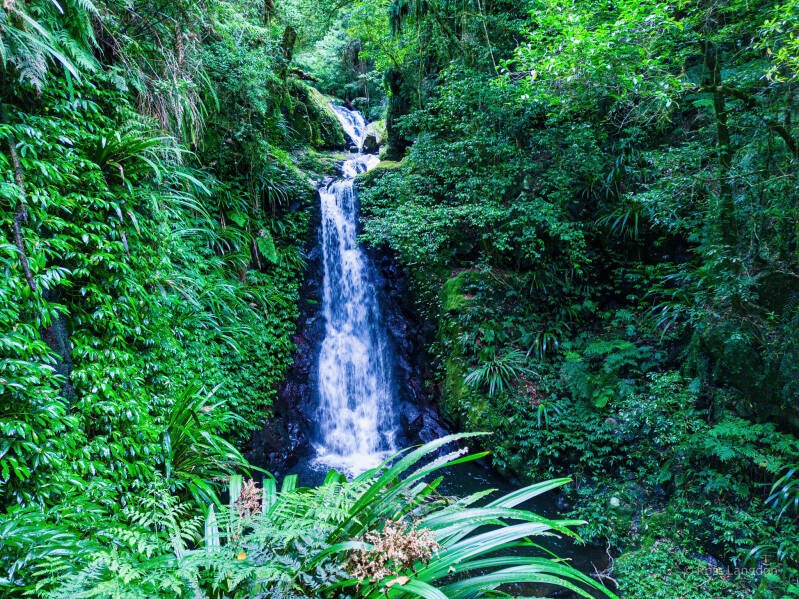
 Coomera Falls & Coomera Gorge A$75.00

Lamington National Park Destination Guide | Ancient Gondwana Rainforest, Waterfalls & Aerial Photography Queensland
1. Introduction
Lamington National Park is one of Queensland’s most extraordinary natural landscapes, where ancient Gondwana rainforest, dramatic mountain escarpments, waterfalls and wilderness valleys combine to create a destination of international significance.
Located within the Gold Coast hinterland and forming part of the Scenic Rim region, Lamington National Park protects one of Australia’s most important rainforest environments. The park is part of the Gondwana Rainforests of Australia World Heritage Area, preserving ecosystems that provide a living connection to ancient forests that once covered much of the southern hemisphere.
From above, Lamington National Park reveals a landscape of immense scale and beauty. Aerial photography showcases endless rainforest canopy, rugged mountain ridges, deep valleys, flowing waterways and dramatic escarpments extending across the McPherson Range.
The park’s elevated position provides spectacular views towards the Gold Coast, Scenic Rim mountains and surrounding hinterland landscapes. On clear days, the relationship between rainforest, mountains and coastal plains becomes visible, demonstrating the unique geography of South East Queensland.
Lamington’s landscape is defined by:
- ancient subtropical rainforest
- volcanic mountain formations
- dramatic escarpments
- hidden waterfalls
- rainforest-covered valleys
- diverse wildlife habitats
Iconic locations including Green Mountains (O’Reilly’s), Binna Burra, Moran’s Falls, Elabana Falls, Coomera Gorge and the Border Track showcase the remarkable diversity of the region.
The park changes dramatically throughout the year. Summer brings vibrant rainforest growth, flowing waterfalls and lush green landscapes. Autumn provides clearer conditions and rich colours across the forest canopy. Winter mornings often create spectacular scenes as mist settles through valleys and sunlight filters across the rainforest. Spring brings renewed growth and increased wildlife activity.
Aerial photography provides a unique way to appreciate Lamington National Park. From the ground, visitors experience individual trails, waterfalls and forests; from above, the connection between these features becomes visible. Mountain ridges, rainforest corridors and waterways form a complex natural system that has developed over millions of years.
For photographers, tourism organisations and businesses, Lamington National Park represents one of Queensland’s most valuable natural subjects. Its combination of World Heritage rainforest, dramatic landscapes and cultural significance creates imagery that communicates conservation, adventure and the extraordinary beauty of Australia’s natural environment.
2. History and Cultural Heritage of Lamington National Park
Lamington National Park has a rich history shaped by thousands of years of Indigenous connection, European exploration, conservation efforts and the development of nature-based tourism.
The traditional custodians of the Lamington area include the Yugambeh people, whose connection to Country extends across the Gold Coast hinterland, mountains, waterways and rainforest environments.
For Traditional Custodians, the rainforest landscapes of Lamington are more than natural scenery. They represent places of cultural knowledge, stories, resources and ongoing connection between people and Country.
The mountains, forests and waterways provided important resources and supported cultural practices developed over many generations. The region continues to hold deep cultural significance today.
European exploration of the area increased during the nineteenth century as settlers and explorers travelled through the rugged mountain landscapes of South East Queensland.
The difficult terrain and dense rainforest initially limited development, helping preserve much of the region’s natural environment.
The importance of protecting these landscapes became increasingly recognised during the early twentieth century. Conservation advocates played an important role in establishing protected areas, leading to the creation of Lamington National Park in 1915.
The park was named in honour of Lord Lamington, Governor of Queensland from 1896 to 1901.
Over time, Lamington became recognised as one of Australia’s most important conservation areas. Its inclusion within the Gondwana Rainforests of Australia World Heritage Area acknowledged the international importance of its ancient rainforest ecosystems.
The development of tourism also became an important part of Lamington’s history. Locations such as O’Reilly’s Rainforest Retreat and Binna Burra became well-known destinations, allowing visitors to experience the rainforest while supporting conservation and regional tourism.
Today, Lamington National Park represents a balance between protection, recreation and education.
Visitors come to experience:
- ancient rainforest
- walking trails
- waterfalls
- wildlife
- mountain scenery
- cultural landscapes
The history of Lamington is ultimately a story of connection — between Traditional Custodians and Country, between conservation and tourism, and between ancient ecosystems and modern communities.
Aerial photography provides a valuable perspective of this history by revealing the scale of the protected landscape. From above, rainforest corridors, mountain ridges and waterways demonstrate why this region remains one of Queensland’s most important natural environments.
3. Why Visit Lamington National Park
Lamington National Park is one of Queensland’s premier nature destinations, offering visitors the opportunity to experience ancient rainforest, dramatic mountain scenery, waterfalls and exceptional biodiversity.
Located within easy reach of Brisbane and the Gold Coast, the park provides a rare opportunity to enter a World Heritage environment surrounded by some of South East Queensland’s most spectacular landscapes.
Visitors are attracted to Lamington National Park for:
- ancient rainforest walks
- spectacular waterfalls
- panoramic mountain views
- rare wildlife encounters
- peaceful wilderness experiences
- photography opportunities
The park’s rainforest environments are among its greatest attractions. Towering trees, dense vegetation and ancient plant communities create an atmosphere unlike many other locations in Queensland.
Popular areas include:
Green Mountains (O’Reilly’s)
The Green Mountains section provides access to some of Lamington’s most famous walking tracks and viewpoints.
The elevated location offers spectacular views across rainforest valleys and towards the Scenic Rim.
Binna Burra
Binna Burra provides another gateway into the park, offering access to rainforest trails, mountain scenery and panoramic viewpoints.
The location is particularly valuable for landscape photography because it combines rainforest environments with sweeping views across the region.
Waterfalls and Valleys
Lamington contains numerous waterfalls and rainforest streams, including:
- Moran’s Falls
- Elabana Falls
- Coomera Falls
These locations demonstrate the connection between rainfall, mountain landscapes and rainforest ecosystems.
For photographers, Lamington provides exceptional opportunities throughout the year. Misty winter mornings, summer rainfall, autumn clarity and spring vegetation all create different visual experiences.
Aerial photography reveals another dimension of the park. From above, visitors can see how rainforest-covered mountains, valleys and waterways connect across the landscape.
Lamington National Park is not only a destination for recreation; it is a place of conservation, scientific importance and natural beauty. Its combination of ancient rainforest, wildlife and dramatic landscapes makes it one of Queensland’s most remarkable environments.
4. Geological Story of Lamington National Park
Lamington National Park is a remarkable geological landscape shaped by ancient volcanic activity, erosion and millions of years of natural evolution.
The park forms part of the McPherson Range, a major landscape feature within the broader Scenic Rim volcanic region. The mountains and plateaus of Lamington are remnants of ancient volcanic activity that transformed South East Queensland approximately 20–30 million years ago.
During this period, enormous volcanic systems dominated the region. Lava flows and volcanic materials created extensive mountain structures. Over millions of years, erosion gradually removed softer surrounding rock, leaving behind resistant volcanic formations that now form the dramatic landscapes of Lamington National Park.
The distinctive features visible today include:
- elevated plateaus
- steep escarpments
- deep rainforest valleys
- mountain ridges
- waterfalls and waterways
One of the most important geological influences on Lamington is the ancient volcanic plateau that forms the foundation of much of the park. This elevated terrain creates cooler, wetter conditions that support the development of dense subtropical rainforest.
The high rainfall environment, combined with fertile volcanic soils and sheltered valleys, allowed ancient plant communities to survive through significant climatic changes.
This geological history is directly connected to the park’s biodiversity. The elevation, rainfall patterns and isolation of the landscape created conditions where unique ecosystems developed.
The park’s connection to the Gondwana Rainforests of Australia World Heritage Area reflects the importance of these ancient environments. Many rainforest species represent lineages that have existed for millions of years.
From an aerial perspective, the geological story of Lamington becomes particularly visible.
Aerial photography reveals:
- the broad shape of the McPherson Range
- rainforest-covered mountain plateaus
- dramatic escarpment edges
- valleys carved by waterways
- connections between protected landscapes
The escarpments of Lamington provide some of the most spectacular scenery in Queensland. These elevated cliffs mark the transition between the mountain environment and the lower coastal plains.
Locations such as Green Mountains and Binna Burra demonstrate this dramatic relationship between elevated rainforest and surrounding landscapes.
Water has also played a major role in shaping Lamington. Rainfall flowing through the mountains has created streams, waterfalls and valleys throughout the park. Features such as Moran’s Falls, Elabana Falls and Coomera Falls demonstrate the ongoing interaction between geology and natural processes.
The geological history of Lamington National Park is therefore not simply a story of mountains and rocks. It is the foundation for the rainforest, wildlife and landscapes that make the park internationally significant.
For aerial photographers, this geological complexity creates extraordinary visual opportunities. The patterns of ridges, forests, waterways and escarpments reveal a landscape shaped by time and natural forces.
5. Iconic Locations, Rainforests, Lookouts and Waterfalls
Lamington National Park Overview
Lamington National Park is one of Australia’s most important rainforest conservation areas.
Covering more than 20,000 hectares, the park protects extensive subtropical rainforest, mountain landscapes, waterways and wildlife habitat.
The park is divided into two main visitor areas:
- Green Mountains (O’Reilly’s)
- Binna Burra
Each provides a different perspective of Lamington’s natural beauty.
From above, the park appears as an uninterrupted sea of rainforest extending across mountain ranges and valleys.
Aerial photography captures:
- rainforest canopy patterns
- mountain ridges
- waterfalls
- valleys
- escarpments
- surrounding hinterland landscapes
This perspective demonstrates the scale of one of Queensland’s most important protected environments.
Gondwana Rainforests World Heritage Area
Lamington National Park forms part of the Gondwana Rainforests of Australia World Heritage Area, recognised for protecting some of the world’s oldest rainforest ecosystems.
These forests provide a living connection to ancient environments that existed when Australia was part of the southern supercontinent Gondwana.
The rainforest contains:
- ancient plant species
- rare ecosystems
- diverse wildlife
- important ecological communities
Aerial imagery highlights the continuity of these forests, showing how rainforest corridors extend across mountain landscapes.
The preservation of these areas is important not only for biodiversity but also for understanding Earth’s ecological history.
Green Mountains (O’Reilly’s)
The Green Mountains section is one of the most visited areas of Lamington National Park.
Located on an elevated plateau, it provides access to some of the park’s most famous rainforest walks and viewpoints.
The landscape features:
- dense subtropical rainforest
- mountain escarpments
- panoramic lookouts
- waterfalls
- wildlife habitats
From above, Green Mountains reveals the dramatic transition between rainforest-covered highlands and surrounding valleys.
Aerial photography opportunities include:
- rainforest canopy extending across ridges
- cloud and mist over mountains
- views towards the Scenic Rim
- sunset light across valleys
The area is also closely associated with O’Reilly’s Rainforest Retreat, one of Queensland’s best-known rainforest accommodation destinations.
Binna Burra
Binna Burra is another iconic gateway to Lamington National Park.
Located on the eastern side of the park, Binna Burra provides access to spectacular walking tracks, lookouts and rainforest landscapes.
The elevated location creates exceptional views across:
- the Gold Coast hinterland
- mountain valleys
- rainforest-covered slopes
- coastal plains
From an aerial perspective, Binna Burra demonstrates the relationship between the mountain environment and surrounding regions.
Photography opportunities include:
- morning mist
- rainforest ridges
- escarpment views
- dramatic weather conditions
Border Track
The Border Track is one of Lamington National Park’s most famous walking routes.
Following the edge of the plateau, the track provides access to some of the park’s most spectacular scenery.
From above, aerial photography captures:
- rainforest-covered ridgelines
- plateau edges
- mountain contours
- connections between ecosystems
The track highlights the unique geography of Lamington, where elevated rainforest meets dramatic escarpments.
Moran’s Falls
Moran’s Falls is one of the most recognisable waterfall locations near Lamington National Park.
Located near the O’Reilly’s area, the waterfall drops through a dramatic rainforest environment and provides one of the region’s most photographed landscapes.
Aerial photography opportunities include:
- waterfall cascades
- surrounding rainforest
- valley views
- sunset landscapes
The combination of flowing water, forest and mountain scenery creates highly valuable landscape imagery.
Elabana Falls
Elabana Falls is one of Lamington’s most beautiful rainforest waterfalls.
Located within the Green Mountains section, the falls are surrounded by dense rainforest and ancient vegetation.
The location represents the intimate scale of Lamington’s rainforest environment.
Photography opportunities include:
- rainforest streams
- cascading water
- moss-covered landscapes
- lush vegetation
Aerial photography helps place Elabana Falls within the wider rainforest landscape.
Coomera Gorge and Coomera Falls
Coomera Gorge is one of the most dramatic landscapes within Lamington National Park.
Located within the remote interior of the park, the gorge showcases the powerful influence of water, erosion and geological history. The Coomera River has carved a spectacular valley through the ancient volcanic landscape, creating steep cliffs, rainforest corridors and cascading waterfalls.
Coomera Falls is one of the most impressive waterfall systems in the region, surrounded by dense subtropical rainforest and rugged terrain.
From above, aerial photography reveals:
- the scale of the gorge system
- rainforest-covered valleys
- flowing waterways
- steep escarpments
- connections between mountain landscapes
The aerial perspective is particularly valuable because much of the landscape is difficult to fully appreciate from ground level.
Coomera Gorge represents the wild and untouched character of Lamington National Park and demonstrates why the region is considered one of Queensland’s most important conservation areas.
Toolona Creek
Toolona Creek is one of Lamington National Park’s most spectacular rainforest environments.
The Toolona Creek Circuit takes visitors through some of the park’s most pristine rainforest landscapes, featuring towering trees, streams, waterfalls and ancient vegetation.
The area provides a close connection with the ecological importance of Lamington.
Aerial photography highlights:
- rainforest density
- creek systems
- mountain valleys
- uninterrupted forest landscapes
The contrast between the flowing waterways and surrounding rainforest creates unique photographic opportunities.
Toolona Creek is particularly impressive after rainfall, when streams and waterfalls become more active and the rainforest appears at its most vibrant.
Box Forest Circuit
The Box Forest Circuit is one of Lamington’s most popular rainforest walks, showcasing the diversity of the park’s ecosystems.
The area contains:
- ancient rainforest
- waterfalls
- creeks
- giant trees
- wildlife habitat
From above, the landscape demonstrates how rainforest systems connect across the mountain plateau.
Aerial imagery can reveal:
- continuous rainforest canopy
- valleys and ridges
- water systems supporting the ecosystem
The circuit represents the intimate rainforest character that makes Lamington unique.
Kamarun Lookout
Kamarun Lookout is one of the most spectacular viewpoints within the Lamington region.
Located near the O’Reilly’s area, the lookout provides expansive views across the surrounding landscape.
On clear days, visitors can see:
- Scenic Rim mountains
- Gold Coast hinterland
- distant coastal areas
- rainforest-covered valleys
Aerial photography from this region captures the dramatic transition between elevated rainforest and lower landscapes.
The location is especially effective during:
- sunrise
- sunset
- winter mornings with mist
- dramatic weather conditions
McPherson Range
The McPherson Range forms the geological backbone of Lamington National Park and extends across the Queensland–New South Wales border region.
The range is characterised by:
- elevated plateaus
- volcanic landscapes
- rainforest environments
- dramatic escarpments
From above, the McPherson Range reveals the scale of the landscape and the connection between Lamington, the Scenic Rim and surrounding regions.
Aerial photography opportunities include:
- mountain ridgelines
- rainforest corridors
- cloud-covered peaks
- valleys extending towards the coast
The range is one of the most important landscape features of South East Queensland.
Antarctic Beech Forests
The Antarctic Beech forests of Lamington National Park are among the most significant examples of ancient rainforest vegetation in Australia.
These forests contain trees that represent a connection to ancient Gondwanan environments.
The cool, elevated areas of Lamington provide the conditions required for these unique ecosystems to survive.
While aerial photography cannot capture individual trees in detail, it reveals the broader environment supporting these forests:
- high-altitude rainforest
- mountain plateaus
- protected valleys
- continuous forest ecosystems
These ancient forests contribute greatly to the ecological importance of Lamington National Park.
6. Best Lamington National Park Aerial Photography Locations
Lamington National Park provides some of the most unique aerial photography opportunities in Queensland.
Unlike many mountain destinations that focus on individual peaks, Lamington’s visual identity comes from the relationship between rainforest, escarpments, valleys and waterways.
Aerial photography reveals the enormous scale of this World Heritage landscape.
Green Mountains and O’Reilly’s
The Green Mountains area is one of the strongest aerial photography locations in Lamington.
Key subjects include:
- rainforest-covered plateaus
- mountain escarpments
- mist-filled valleys
- Scenic Rim views
The elevated position allows photographers to capture the transition between rainforest environments and surrounding landscapes.
Winter mornings often produce exceptional conditions, with clouds and mist creating dramatic atmospheric scenes.
Binna Burra
Binna Burra provides some of the best elevated views within Lamington National Park.
Aerial imagery can showcase:
- rainforest ridges
- mountain valleys
- coastal hinterland views
- changing weather conditions
The location is particularly valuable for tourism photography because it communicates both wilderness and accessibility.
Moran’s Falls
Moran’s Falls is one of the most commercially attractive photography locations near Lamington.
The combination of:
- waterfall
- rainforest
- mountains
- sunset light
creates highly recognisable Queensland landscape imagery.
Aerial perspectives provide context by showing the waterfall within the broader mountain environment.
Elabana Falls and Rainforest Streams
The Elabana Falls region provides opportunities to document the intimate rainforest character of Lamington.
Aerial photography captures:
- dense rainforest canopy
- waterways
- valleys
- ecological connections
The area is particularly striking after rainfall when streams and waterfalls become more visible.
Coomera Gorge
Coomera Gorge provides some of the most dramatic aerial landscape opportunities.
The combination of:
- deep gorge systems
- rainforest-covered cliffs
- flowing waterways
creates powerful images representing the wild character of Lamington.
Scenic Rim and Gold Coast Hinterland Views
Lamington’s elevated position provides opportunities to capture the relationship between rainforest mountains and surrounding regions.
Aerial images can include:
- Scenic Rim mountain ranges
- Gold Coast hinterland
- coastal plains
- rainforest-covered ridges
These broader landscape images are particularly valuable for tourism marketing.
Sunrise and Sunset Photography Locations
The most dramatic aerial photography conditions often occur around sunrise and sunset.
Sunrise provides:
- soft golden light
- mist-filled valleys
- clearer mountain silhouettes
Sunset provides:
- warm colours
- dramatic shadows
- expansive views towards the coast
Seasonal Photography Opportunities
Lamington’s appearance changes significantly throughout the year.
Summer
Summer rainfall creates:
- vibrant rainforest colours
- flowing waterfalls
- dramatic clouds
Autumn
Autumn provides:
- clearer visibility
- softer light
- detailed mountain views
Winter
Winter is often the most atmospheric season.
Conditions include:
- fog
- low cloud
- golden morning light
- crisp mountain views
Spring
Spring brings:
- renewed vegetation
- increased wildlife activity
- fresh rainforest growth
7. Wildlife and Natural Landscapes
Lamington National Park is one of Australia’s most important biodiversity areas.
The combination of ancient rainforest, mountain environments and protected ecosystems supports an extraordinary variety of native wildlife.
Species found within the park include:
- koalas
- red-necked pademelons
- wallabies
- kangaroos
- possums
- echidnas
The park is also internationally recognised for its birdlife.
Important species include:
- Albert’s lyrebird
- regent bowerbird
- king parrots
- rosellas
- kookaburras
- honeyeaters
The rainforest ecosystems provide essential habitat for these species.
Lamington’s protected landscapes maintain important ecological connections between mountain ranges, forests and waterways.
Aerial photography plays an important role in demonstrating conservation values by showing:
- intact rainforest areas
- habitat corridors
- water systems
- connections between protected landscapes
The park represents one of Queensland’s greatest examples of a functioning natural ecosystem.
8. Commercial Image Licensing
Professional aerial photography of Lamington National Park provides businesses, tourism organisations and educational institutions with authentic imagery showcasing one of Queensland’s most important natural environments.
The park’s combination of ancient rainforest, dramatic mountain landscapes, waterfalls and World Heritage values makes it highly valuable for visual storytelling.
High-quality aerial images can be used for:
- tourism campaigns
- accommodation marketing
- eco-tourism promotion
- regional destination guides
- magazines and publications
- environmental reports
- educational resources
- corporate presentations
- websites and digital marketing
- advertising campaigns
- fine art prints
Tourism operators benefit from aerial imagery because it communicates the scale and uniqueness of Lamington National Park. Aerial views can show visitors the relationship between rainforest, mountain landscapes, walking tracks, waterfalls and surrounding destinations.
Accommodation providers such as rainforest retreats and hinterland properties can use professional aerial photography to showcase their location and connection with the natural environment.
Environmental organisations and educational groups can use aerial imagery to demonstrate:
- rainforest conservation
- habitat protection
- ecological connections
- landscape management
Aerial photography is particularly valuable for conservation storytelling because many landscape features are difficult to appreciate from ground level. Aerial perspectives reveal the extent of rainforest ecosystems and the importance of protecting these environments.
Fine art landscape photography provides another opportunity to showcase Lamington’s beauty. Images of rainforest-covered mountains, misty valleys, waterfalls and escarpments are suitable for display in:
- homes
- offices
- visitor centres
- accommodation properties
- commercial spaces
Professional aerial photography captures more than a location — it documents the character, scale and environmental significance of one of Queensland’s most remarkable landscapes.
Oz Straya Panoramas specialises in original aerial landscape photography across South East Queensland, including Lamington National Park, Scenic Rim, Brisbane, Moreton Bay, Glass House Mountains and the Tweed Coast.
9. Lamington National Park Aerial Photography – 40 SEO FAQs
1. Where is Lamington National Park located?
Lamington National Park is located in South East Queensland within the Gold Coast hinterland and Scenic Rim region.
The park is approximately 90 minutes from Brisbane and around one hour from the Gold Coast, making it one of Queensland’s most accessible World Heritage rainforest destinations.
2. Why is Lamington National Park famous?
Lamington National Park is famous for its ancient rainforest, dramatic mountain landscapes, waterfalls, wildlife and connection to the Gondwana Rainforests of Australia World Heritage Area.
It is considered one of Queensland’s most important conservation areas.
3. What makes Lamington National Park unique?
Lamington is unique because it combines:
- ancient rainforest
- volcanic mountain landscapes
- dramatic escarpments
- waterfalls
- rare wildlife
- World Heritage ecosystems
Few locations in Queensland offer such a combination of biodiversity and scenery.
4. Is Lamington National Park part of the Gondwana Rainforests?
Yes. Lamington National Park forms part of the Gondwana Rainforests of Australia World Heritage Area.
The region protects ancient rainforest ecosystems with connections stretching back millions of years.
5. What are the best photography locations in Lamington National Park?
Popular photography locations include:
- Green Mountains (O’Reilly’s)
- Binna Burra
- Moran’s Falls
- Elabana Falls
- Coomera Gorge
- Coomera Falls
- Toolona Creek
- Kamarun Lookout
- Border Track
6. Is Lamington National Park suitable for aerial photography?
Yes. Lamington provides exceptional aerial photography opportunities because of its large-scale landscapes.
Aerial photography reveals:
- rainforest-covered mountains
- escarpments
- valleys
- waterfalls
- surrounding landscapes
7. Can drones be used in Lamington National Park?
Drone use in national parks is regulated and may require approval depending on the activity and purpose.
Commercial operators should check current Queensland Parks and Wildlife Service requirements before flying.
8. What waterfalls are in Lamington National Park?
Important waterfalls include:
- Moran’s Falls
- Elabana Falls
- Coomera Falls
These waterfalls are surrounded by some of Queensland’s most impressive rainforest environments.
9. What is O’Reilly’s famous for?
O’Reilly’s is famous for its rainforest accommodation, wildlife experiences, walking tracks and spectacular views over Lamington National Park.
It is one of the most recognised gateways to the park.
10. What is Binna Burra known for?
Binna Burra is known for rainforest walks, mountain scenery, biodiversity and spectacular views across the Gold Coast hinterland.
It provides access to many iconic Lamington landscapes.
11. When is the best time to photograph Lamington National Park?
The best photography conditions often occur during:
- winter mornings
- sunrise
- sunset
- after rainfall
- clear autumn days
12. Why is fog common in Lamington National Park?
Lamington’s elevated rainforest environment receives high rainfall and cooler temperatures, creating conditions where mist and fog frequently develop.
Fog adds atmosphere and depth to landscape photography.
13. What wildlife can be seen in Lamington National Park?
Wildlife includes:
- koalas
- wallabies
- pademelons
- kangaroos
- echidnas
- native birds
14. What makes Antarctic Beech forests special?
Antarctic Beech forests are remnants of ancient rainforest ecosystems connected to Gondwana.
They are among the most significant plant communities protected within Lamington.
15. Why is Lamington National Park important for conservation?
Lamington protects:
- ancient rainforest
- rare species
- wildlife habitat
- ecological corridors
- important natural landscapes
16. What is the McPherson Range?
The McPherson Range is a mountain system forming part of the landscape of Lamington National Park.
It contains elevated rainforest environments, escarpments and dramatic valleys.
17. What views can be seen from Lamington National Park?
Views include:
- Scenic Rim mountains
- Gold Coast hinterland
- rainforest valleys
- coastal plains
- mountain ranges
18. Is Lamington National Park part of the Scenic Rim?
Yes. Lamington National Park is one of the most important natural landscapes within the broader Scenic Rim region.
19. Why are rainforest aerial images valuable?
Aerial rainforest images show:
- ecosystem scale
- conservation areas
- landscape connections
- environmental diversity
They provide a perspective impossible from ground level.
20. Are Lamington National Park aerial images available commercially?
Yes. Professional aerial images can be licensed for approved commercial, editorial and display uses.
21. Can tourism businesses license Lamington National Park images?
Yes. Tourism businesses can license professional Lamington National Park imagery for promotional purposes.
Suitable uses include:
- accommodation websites
- tourism brochures
- destination marketing
- advertising campaigns
- social media promotion
- visitor guides
Aerial imagery is particularly effective because it immediately communicates the scale, beauty and natural setting of rainforest destinations.
22. Are fine art Lamington National Park prints available?
Yes. Lamington National Park is an ideal subject for fine art landscape photography.
Popular print subjects include:
- rainforest-covered mountains
- misty valleys
- waterfalls
- escarpments
- Gondwana rainforest landscapes
- Scenic Rim views
These images are suitable for:
- homes
- offices
- accommodation properties
- visitor centres
- corporate spaces
23. Why are aerial images valuable for eco-tourism?
Aerial photography allows visitors to understand the relationship between rainforest, mountains, waterways and surrounding landscapes.
For eco-tourism operators, aerial images help communicate:
- natural setting
- environmental values
- remote wilderness character
- connection to protected areas
24. What makes Lamington rainforest different from other rainforests?
Lamington’s rainforest is significant because it contains ancient plant communities with links to Gondwana.
The combination of altitude, rainfall and isolation has allowed unique ecosystems to survive for millions of years.
25. What is the best viewpoint for Lamington National Park photography?
Popular viewpoints include:
- Kamarun Lookout
- Green Mountains viewpoints
- Binna Burra lookouts
- Moran’s Falls area
Each provides different perspectives of rainforest, mountains and valleys.
26. What makes Moran’s Falls special?
Moran’s Falls is one of the most photographed waterfall locations near Lamington National Park.
It combines:
- cascading water
- rainforest surroundings
- mountain views
- dramatic sunrise and sunset conditions
27. Why is Binna Burra good for landscape photography?
Binna Burra provides elevated views across rainforest valleys and the Gold Coast hinterland.
Its combination of mountain scenery and rainforest makes it highly valuable for landscape imagery.
28. What is special about Green Mountains?
Green Mountains is one of Lamington’s most accessible rainforest areas.
It provides access to:
- walking tracks
- waterfalls
- wildlife
- rainforest viewpoints
The elevated plateau creates excellent photography opportunities.
29. What is the Border Track in Lamington National Park?
The Border Track is one of Lamington’s most famous walking routes.
It follows the edge of the plateau and provides access to spectacular rainforest and mountain landscapes.
30. Why photograph Lamington National Park from above?
Aerial photography reveals the true scale of Lamington’s landscape.
From above, photographers can capture:
- rainforest extent
- mountain formations
- escarpments
- valleys
- waterways
This creates a broader understanding of the environment.
31. What weather creates the best Lamington photography?
The most dramatic conditions often include:
- morning fog
- low cloud
- post-rainfall conditions
- golden sunlight
- summer storms
Weather adds atmosphere and depth to rainforest imagery.
32. Is winter a good time to photograph Lamington National Park?
Yes. Winter is often one of the best seasons because:
- visibility is clearer
- mornings are cooler
- fog is common
- sunlight creates dramatic conditions
33. Does rainfall improve Lamington photography?
Yes. Rainfall can enhance photography by creating:
- fuller waterfalls
- richer rainforest colours
- misty conditions
- atmospheric landscapes
34. What native birds live in Lamington National Park?
Lamington supports many bird species including:
- Albert’s lyrebird
- regent bowerbird
- king parrots
- rosellas
- kookaburras
- honeyeaters
35. Why is Lamington important for wildlife conservation?
Lamington provides protected habitat for many native species and maintains important ecological connections across the region.
The park protects:
- rainforest ecosystems
- wildlife corridors
- threatened species habitat
36. What industries use Lamington National Park imagery?
Professional Lamington imagery can be used by:
- tourism organisations
- accommodation providers
- environmental groups
- publishers
- educational institutions
- government organisations
- marketing agencies
37. Why choose professional aerial photography over stock images?
Professional local aerial photography provides:
- authentic location imagery
- unique perspectives
- seasonal conditions
- regional knowledge
- original content
This helps organisations stand out from generic imagery.
38. Where can professional Lamington National Park aerial images be purchased?
Professional Lamington National Park aerial images are available through specialist landscape photography collections offering licensed imagery and fine art prints.
Oz Straya Panoramas specialises in South East Queensland aerial landscape photography, including Lamington National Park and surrounding Scenic Rim destinations.
39. Why is Lamington National Park one of Queensland’s best photography locations?
Lamington National Park combines many of Queensland’s most valuable landscape features:
- ancient rainforest
- dramatic mountains
- waterfalls
- wildlife
- World Heritage significance
- changing weather conditions
The diversity of subjects makes it one of the state’s most rewarding photography destinations.
40. Why is Lamington National Park important for aerial photography?
Lamington National Park is important for aerial photography because it reveals a landscape that cannot be fully appreciated from the ground.
Aerial imagery shows the relationship between:
- rainforest and mountains
- escarpments and valleys
- waterways and ecosystems
- protected areas and surrounding landscapes
The park represents one of Queensland’s greatest natural environments, and aerial photography provides a powerful way to document its beauty, scale and conservation importance.