

Tweed Coast
Digital images are available to purchase for $75 per image.
Click on any photo below to open gallery
-
 Fingal Head Tweed Coast Gallery A$75.00
 -
 Brunswick Heads Gallery A$75.00


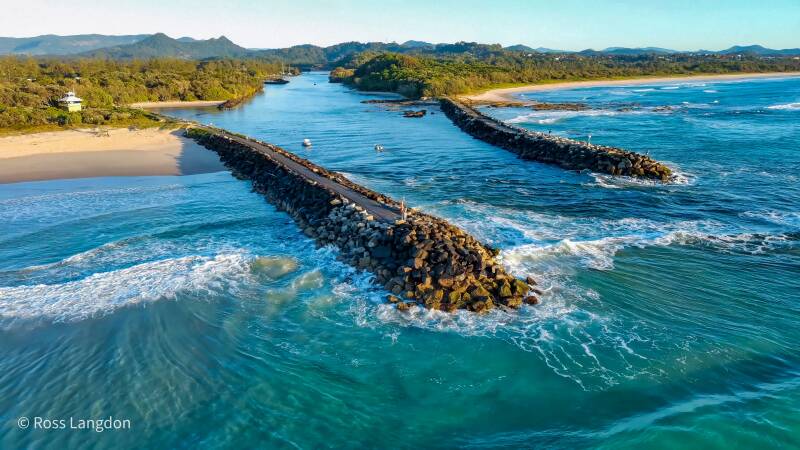
Tweed Coast, Northern New South Wales – Destination Guide
Discover the stunning coastline, hinterland, and aerial vistas of the Tweed Coast, one of Northern New South Wales’ most scenic regions.
About the Tweed Coast
The Tweed Coast stretches along the northern NSW coastline, from the iconic Tweed Heads to the pristine beaches of Kingscliff, Cabarita, and Byron Bay’s northern fringes. The region is defined by:
- White sandy beaches and surf breaks
- Estuaries and river systems, including the Tweed River
- Lush hinterland, volcanic peaks, and rainforests
The area is a popular destination for tourism, photography, water sports, and eco-tourism, with dramatic coastal landscapes visible from aerial perspectives.
Local History
- Indigenous Heritage: The Tweed Coast is the traditional land of the Minjungbal, Cudgen, and Githabul peoples. The river, estuaries, and coastline provided food, transport, and spiritual connection for thousands of years.
- European Settlement: The area was first settled by Europeans in the 19th century, with early industries including timber, sugar cane farming, and fishing. Tweed Heads became an important port and river crossing point.
- Modern Development: Today, the region balances tourism, agriculture, and conservation. National parks, marine reserves, and coastal walkways protect natural and cultural heritage while offering scenic experiences for visitors.
Visitor Information
Best Times to Visit:
- Autumn & Spring (March–May, September–November): Pleasant weather and fewer crowds.
- Summer (December–February): Warm water and beach activities, but more humid.
Activities:
- Beaches & Surfing: Kingscliff, Cabarita, and Fingal Head offer swimming, surfing, and relaxation.
- Fishing & Boating: Tweed River estuary provides recreational fishing, kayaking, and boating.
- Hinterland Exploration: Take short hikes and scenic drives to nearby volcanic peaks and rainforest trails.
- Photography & Aerial Tours: Capture dramatic coastal panoramas, river estuaries, and hinterland landscapes.
Getting There:
- 90–100 km south of Brisbane, accessible via the Pacific Highway.
- Tweed Heads is the primary entry point; nearby airports include Gold Coast Airport.
- Local visitor centers provide maps, trail information, and accommodation guidance.
Image Licensing Information
Standard Editorial License:
- Suitable for travel blogs, news articles, education, and non-commercial publications.
Commercial License:
- Marketing campaigns, tourism brochures, corporate websites, advertising, and promotional materials.
Fine Art & Display License:
- Office interiors, hotels, galleries, visitor centers, and residential wall art.
Restrictions:
- Images cannot be resold as standalone digital files.
- Redistribution via stock platforms is prohibited.
- Some commercial uses may require additional property or cultural permissions.
❓ Frequently Asked Questions (FAQs)
- Where is the Tweed Coast located? The Tweed Coast is in Northern New South Wales, stretching from Tweed Heads to northern coastal towns like Kingscliff and Cabarita.
- Are there cultural sites on the Tweed Coast? Yes, the region is traditionally owned by the **Minjungbal, Cudgen, and Githabul peoples**, with significant Indigenous cultural sites along rivers, estuaries, and hinterlands.
- What is the best time to photograph the Tweed Coast? Early morning or late afternoon provides soft light and dramatic coastal shadows; after rainfall, rivers and estuaries are especially photogenic.
- What activities are popular for visitors? Surfing, swimming, fishing, kayaking, hiking, scenic drives, and nature photography.
- Can these images be used commercially? Yes, with the purchase of a commercial license.
- Are there visitor facilities? Yes. Most towns provide visitor centers, parking, walking tracks, picnic areas, and local accommodation.
- Is the area suitable for beginners in hiking or water sports? Yes. Beaches, estuaries, and some hinterland trails are beginner-friendly; more advanced hikes require experience and preparation.